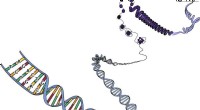
1. DNA Sequence Accuracy:
* Absence of mutations: Genetic integrity implies that the DNA sequence is free from mutations or errors, which can arise spontaneously or due to environmental factors like radiation.
* Accurate replication: The process of DNA replication, which creates copies of DNA for cell division, must be highly accurate to maintain the original sequence.
* Stability of chromosomes: Chromosomes, which carry the DNA, must remain intact and in the correct order, preventing rearrangements or deletions that disrupt gene function.
2. Regulatory Mechanisms:
* DNA repair mechanisms: Cells have intricate mechanisms to repair damaged DNA, minimizing the accumulation of mutations.
* Gene regulation: Proper control of gene expression ensures that the right genes are active at the right time and in the right place. This avoids errors in protein synthesis and other cellular processes.
* Cell cycle checkpoints: These checkpoints prevent cells with damaged DNA from replicating, protecting genetic integrity.
3. Transmission Fidelity:
* Accurate segregation of chromosomes: During cell division, chromosomes must be evenly distributed to daughter cells, ensuring that each cell receives a complete set of genetic information.
* Stable inheritance: Genetic integrity ensures that the offspring inherit the correct genetic material from their parents without significant alterations.
Consequences of Compromised Genetic Integrity:
* Genetic disorders: Mutations in genes can lead to various diseases, inherited or arising later in life.
* Cancer: Accumulation of mutations can lead to uncontrolled cell growth and cancer development.
* Developmental defects: Errors in DNA replication or chromosome segregation during development can cause birth defects.
* Evolutionary stagnation: A lack of genetic variation, which can arise from strict maintenance of genetic integrity, can hinder a species' ability to adapt to changing environments.
Maintaining Genetic Integrity:
* Healthy lifestyle: A balanced diet, regular exercise, and avoidance of harmful substances can minimize exposure to factors that damage DNA.
* Medical advancements: DNA repair therapies, gene editing techniques, and prenatal testing are being developed to address genetic disorders and maintain genetic integrity.
* Environmental protection: Minimizing exposure to environmental toxins and radiation can help protect genetic integrity.
In essence, genetic integrity is crucial for normal cellular function, healthy development, and the transmission of genetic information across generations. It is a cornerstone of life and its maintenance is a priority for ensuring individual health and species survival.