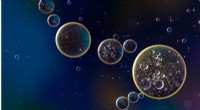
1. Cleavage: The fertilized egg, or zygote, undergoes rapid cell divisions without significant growth. This results in a ball of cells called a morula.
2. Blastulation: The morula hollows out to form a blastula, a hollow ball of cells with a fluid-filled cavity called the blastocoel. In mammals, the blastula is called a blastocyst, and it contains an inner cell mass which will give rise to the embryo proper.
3. Gastrulation: The blastula undergoes dramatic reorganization, forming three primary germ layers:
* Ectoderm: Develops into the skin, nervous system, and sensory organs.
* Mesoderm: Develops into muscles, bones, blood, circulatory system, and excretory organs.
* Endoderm: Develops into the lining of the digestive tract, lungs, and other internal organs.
4. Organogenesis: The three germ layers differentiate further and begin to form specific organs and tissues.
5. Growth and Maturation: After organogenesis, the embryo continues to grow and mature, with organs becoming more complex and functional.
6. Birth/Hatching: For most animals, this marks the end of embryonic development. The young organism is now independent and capable of surviving on its own.
7. Post-embryonic Development: Many organisms continue to develop and grow after birth/hatching. This period can involve various changes, including:
* Growth: An increase in size and complexity.
* Maturation: The development of reproductive capabilities.
* Metamorphosis: A complete transformation of the organism's body form, as seen in insects and amphibians.
Key points to remember:
* Genetic control: Development is tightly regulated by genes that control the timing and sequence of events.
* Cell signaling: Cells communicate with each other through various signaling pathways, coordinating their development and differentiation.
* Environmental influences: External factors like temperature, nutrition, and hormones can also influence development.
The exact details of embryonic development vary between species, but the underlying principles are universal. Understanding these processes is crucial for understanding how life forms develop and how disruptions in development can lead to birth defects and other developmental disorders.