Here are some key characteristics of organisms:
* Organized Structure: Organisms have a defined internal structure and organization, from the cellular level to the organ and organ system level.
* Metabolism: They carry out chemical reactions to obtain and utilize energy, build and break down molecules, and perform other life functions.
* Growth: Organisms increase in size and complexity over time.
* Reproduction: Organisms produce offspring that inherit their characteristics.
* Response to stimuli: Organisms can detect and react to changes in their environment.
* Homeostasis: Organisms maintain a stable internal environment despite external changes.
* Adaptation: Organisms evolve over generations to better suit their environment.
Examples of organisms:
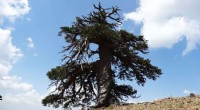
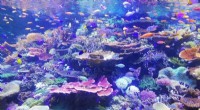
* Humans, animals, plants, fungi, bacteria, viruses, protists
Important note: While viruses exhibit some characteristics of life (e.g., reproduction, adaptation), they lack others (e.g., metabolism, independent growth). Therefore, the classification of viruses as "living organisms" is a subject of debate.