* Neurons: The basic unit of the nervous system, neurons are specialized for communication through electrical and chemical signals. They receive input from other neurons, integrate these signals, and transmit the output to other neurons, muscles, or glands.
* Muscle cells: Muscle cells, such as skeletal, smooth, and cardiac muscle cells, can contract in response to electrical signals. These signals are generated by specialized cells within the muscle tissue or by neurons that innervate the muscle.
* Some specialized cells: Certain other cell types, like some endocrine cells and sensory receptor cells, can also generate action potentials in response to specific stimuli. These cells are important for releasing hormones or relaying sensory information to the nervous system.
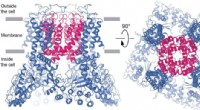
The ability of excitable cells to generate action potentials is based on the presence of voltage-gated ion channels in their cell membranes. These channels open and close in response to changes in membrane potential, allowing ions to flow across the membrane and create the rapid electrical signal that is the action potential.