Here's a breakdown:
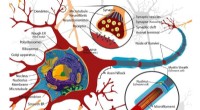
* Plasma membrane: The outermost layer of a cell that controls what enters and exits the cell.
* Phospholipids: The primary component of the plasma membrane. They form a bilayer, with the phosphate heads facing outwards towards the watery environment and the fatty acid tails facing inwards, creating a barrier.
* Other components: The plasma membrane also contains other molecules like cholesterol, proteins, and carbohydrates.
While the plasma membrane is sometimes referred to as a "fatty layer" due to the presence of phospholipids, it's important to remember that it's a complex structure with various components that contribute to its functionality.