Air:
* Bacteria, fungi, viruses, and even some algae can be found floating in the air, especially in enclosed spaces or areas with high levels of human activity.
Water:
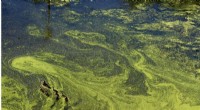
* Oceans, lakes, rivers, and even puddles are teeming with microorganisms.
* Bacteria play crucial roles in nutrient cycling and decomposition in aquatic ecosystems.
* Algae are photosynthetic and form the base of the food chain in many aquatic environments.
* Viruses can infect various aquatic organisms.
Soil:
* Soil is a rich habitat for a vast diversity of microorganisms, including:
* Bacteria are essential for decomposition, nutrient cycling, and plant growth.
* Fungi help break down organic matter and form symbiotic relationships with plants.
* Protozoa feed on bacteria and other microorganisms, playing a role in nutrient cycling.
Human Body:
* Our bodies are home to trillions of microorganisms, collectively known as the human microbiome.
* Bacteria on our skin, in our gut, and in other parts of our body help with digestion, immune function, and disease prevention.
* Viruses can cause illness, but some are also beneficial, such as bacteriophages that can kill harmful bacteria.
Food:
* Microorganisms play a vital role in food production and preservation.
* Bacteria are used in the fermentation of yogurt, cheese, bread, and other products.
* Fungi are involved in the production of mushrooms, soy sauce, and other fermented foods.
Extreme Environments:
* Microorganisms can thrive in some of the most extreme environments on Earth, such as:
* Hot springs: Thermophilic bacteria can survive in temperatures exceeding boiling point.
* Deep-sea vents: Chemosynthetic bacteria use chemicals from the vents as energy sources.
* Frozen environments: Cryophilic bacteria can tolerate extremely cold temperatures.
These are just a few examples, and microorganisms are constantly being discovered in new and unexpected places. Their ubiquity highlights their importance in various ecological processes and their impact on our lives.