Here's a breakdown of each type:
1. Phospholipids:
* Structure: These are the most abundant molecules in the cell membrane. They have a hydrophilic (water-loving) head and a hydrophobic (water-repelling) tail.
* Arrangement: They form a phospholipid bilayer, where the hydrophilic heads face the aqueous environment (inside and outside the cell) and the hydrophobic tails face each other in the interior of the membrane.
* Function: This structure creates a barrier that regulates what enters and exits the cell.
2. Proteins:
* Types: There are two main types of membrane proteins:
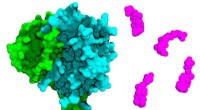
* Integral proteins: Embedded within the membrane. They can span the entire membrane (transmembrane proteins) or be partially embedded.
* Peripheral proteins: Attached to the surface of the membrane, either on the inner or outer side.
* Functions: Proteins perform diverse roles, including:
* Transport: Moving molecules across the membrane.
* Enzymes: Catalyzing reactions within the membrane.
* Receptors: Binding to signaling molecules and initiating cellular responses.
* Adhesion: Connecting cells together.
3. Cholesterol:
* Structure: A lipid molecule with a rigid, planar structure.
* Location: Found within the phospholipid bilayer.
* Function:
* Modulates fluidity: Cholesterol helps maintain the fluidity and stability of the membrane by preventing it from becoming too rigid or too fluid.
* Strength: Provides structural support and strength to the membrane.
In addition to these major components, cell membranes also contain small amounts of other molecules, including:
* Glycolipids: Lipids with attached carbohydrate chains.
* Glycoproteins: Proteins with attached carbohydrate chains.
* Other lipids: Such as sphingolipids and sterols.
The precise composition and arrangement of these molecules vary depending on the type of cell and its function.