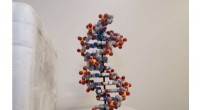
* Chromosomes: These are thread-like structures made of DNA and proteins. They contain the genetic information that determines the characteristics of an organism and directs the synthesis of proteins necessary for cell function.
* Genes: Specific segments of DNA located on chromosomes, which carry instructions for building and maintaining the organism. Genes play a crucial role in cell growth and division by providing the blueprint for the production of proteins that regulate these processes.
* Nucleolus: This is a dense region within the nucleus where ribosomal RNA (rRNA) is synthesized. rRNA is a crucial component of ribosomes, which are responsible for protein synthesis. The nucleolus is also involved in the assembly of ribosomes, which are essential for cell growth and function.
How these structures control cell growth and reproduction:
* Chromosomes: Genes on chromosomes contain instructions for building and maintaining the cell, including the production of proteins that control cell growth and division.
* Cell cycle regulation: Certain genes on chromosomes code for proteins that control the cell cycle, a series of events that leads to cell division. These proteins ensure that the cell cycle proceeds in an orderly and controlled manner.
* DNA replication: Chromosomes contain the genetic information that is replicated during cell division to ensure that each daughter cell receives a complete copy of the genome.
* Nucleolus: The nucleolus ensures the production of ribosomes, which are vital for protein synthesis. Proteins are essential for cell growth, division, and all other cellular processes.
In summary, the chromosomes and nucleolus within the nucleus work together to control cell growth and reproduction by:
* Providing the genetic blueprint for cell function.
* Regulating the cell cycle.
* Ensuring the production of proteins essential for cell growth and division.