1. Increased Survival:
* Better Suitability to Environment: Adaptations help organisms better utilize resources and cope with challenges in their environment. For example, a desert plant with deep roots can access water, while a polar bear's thick fur helps it survive cold temperatures.
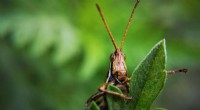
* Improved Defense Mechanisms: Adaptations can provide protection from predators or environmental hazards. Camouflage helps animals blend in, while thorns deter herbivores.
2. Enhanced Reproduction:
* Attracting Mates: Adaptations like vibrant colors, elaborate courtship displays, or unique scents can increase mating success.
* Raising Offspring: Adaptations like nesting behavior, parental care, or specialized milk production can improve offspring survival rates.
3. Driving Evolution:
* Natural Selection: Adaptations that increase an organism's chances of survival and reproduction are more likely to be passed on to offspring. Over time, this leads to the evolution of new traits and the development of new species.
* Speciation: If adaptations lead to significant differences between populations, it can result in reproductive isolation and the formation of new species.
Examples of Adaptations:
* Mimicry: Some species evolve to look like other, more dangerous animals, deterring predators.
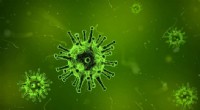
* Antibiotic Resistance: Bacteria developing resistance to antibiotics is a powerful example of adaptation.
* Photosynthesis: This adaptation allows plants to convert sunlight into energy, forming the basis of most ecosystems.
Important Notes:
* Not All Adaptations are Beneficial: Sometimes, adaptations can be neutral or even harmful in a changing environment.
* Adaptations Take Time: Evolutionary changes happen gradually, and adaptations are often the result of generations of natural selection.
In conclusion, adaptations are crucial for the success of species, enabling them to thrive in diverse environments and contribute to the incredible diversity of life on Earth.