1. Cell Signaling:
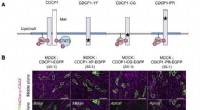
* Receptors: Proteins embedded in cell membranes act as receivers for signals. They bind specific molecules (ligands) like hormones, neurotransmitters, or growth factors.
* Signal Transduction Pathways: Proteins relay the signal received by receptors, often through a series of steps involving protein modifications and interactions. This creates a cascade that amplifies the signal and ultimately leads to a cellular response.
* Transcription Factors: These proteins bind to DNA and control gene expression. They are often activated by signaling pathways, allowing cells to adjust their protein production and function in response to external signals.
2. Immune Response:
* Antibodies: Proteins produced by immune cells (B cells) that recognize and bind to specific antigens (foreign molecules). This binding marks the antigen for destruction by other immune cells.
* Cytokines: Signaling proteins produced by immune cells that help coordinate the immune response. They can activate other immune cells, promote inflammation, or suppress immune reactions.
* MHC Proteins: Proteins found on the surface of cells that present fragments of proteins to T cells. This allows the immune system to recognize and attack cells infected with viruses or bacteria.
3. Enzyme Activity:
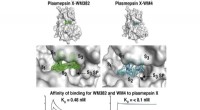
* Enzymes: Proteins that catalyze (speed up) biochemical reactions within cells. They have specific shapes and binding sites that allow them to interact with specific molecules, facilitating chemical transformations.
* Active Sites: The region on an enzyme where the substrate (the molecule being acted upon) binds.
* Regulation: Enzyme activity can be controlled by factors like pH, temperature, or the presence of inhibitors or activators. This regulation is crucial for maintaining proper metabolic processes.
The Importance of Protein Structure:
The diverse functions of proteins are directly linked to their unique three-dimensional structures. The way proteins fold and interact with other molecules determines their specific roles in these processes.
In summary: Proteins play essential roles in cell signaling, immune response, and enzyme activity, contributing to the intricate and coordinated functions of living organisms. Their ability to bind to specific molecules, act as catalysts, and regulate cellular processes makes them fundamental building blocks of life.