Here's why:
* Chloroplasts: These protists contain chloroplasts, the organelles responsible for photosynthesis. Chloroplasts contain chlorophyll, the green pigment that captures sunlight energy to convert carbon dioxide and water into sugars.
* Autotrophic: Like plants, these protists are autotrophic, meaning they can produce their own food. They don't need to consume other organisms for energy.
* Cell Walls: Many plant-like protists have cell walls, often made of cellulose, which provide structural support and protection.
However, it's important to remember that plant-like protists are not true plants. They lack the complex tissues and organs found in plants, and they belong to a different kingdom altogether.
Here are some examples of plant-like protists:
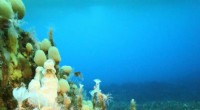
* Algae: This diverse group includes single-celled organisms like diatoms and dinoflagellates, as well as larger, multicellular forms like seaweed.
* Euglenoids: These protists have characteristics of both plants and animals. They can photosynthesize, but they can also consume other organisms for food when sunlight is limited.
Despite their similarities to plants, plant-like protists are a fascinating and diverse group with their own unique adaptations and ecological roles.