1. Cell Wall:
* Function: Provides structural support and rigidity, protecting the cell from bursting due to osmotic pressure.
* Composition: Primarily composed of cellulose, hemicellulose, and pectin.
2. Chloroplasts:
* Function: Sites of photosynthesis, where sunlight is converted into chemical energy (glucose).
* Composition: Contain chlorophyll, a green pigment that absorbs light energy.
3. Vacuole:
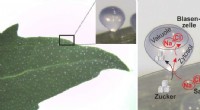
* Function: Stores water, nutrients, and waste products. Helps maintain turgor pressure, which keeps the cell rigid and upright.
* Composition: Mostly water, but also contains dissolved salts, sugars, and pigments.
4. Plasmodesmata:
* Function: Connect adjacent plant cells, allowing communication and transport of molecules between them.
* Composition: Channels through the cell walls.
5. Large Surface Area:
* Function: Maximizes the absorption of sunlight for photosynthesis and the absorption of nutrients from the environment.
* Mechanism: Plant cells often have a high surface area to volume ratio, achieved through various features like flattened shapes or branching structures.
6. Adaptations for Water Conservation:
* Function: Prevent water loss in dry environments.
* Mechanisms:
* Cuticle: A waxy layer on the outer surface of leaves that reduces water evaporation.
* Stomata: Small pores on leaves that regulate gas exchange and water loss.
7. Adaptations for Light Absorption:
* Function: Maximize light absorption for photosynthesis.
* Mechanisms:
* Chloroplast movement: Chloroplasts can rotate and move within the cell to optimize light absorption.
* Leaf structure: Leaves can be broad and flat to maximize the surface area exposed to sunlight.
These are just some of the many adaptations that plant cells have evolved to thrive in diverse environments. Each adaptation contributes to the overall survival and success of the plant.