1. Hydrostatic Skeletons:
* Found in: Soft-bodied invertebrates like worms, jellyfish, and earthworms.
* Mechanism: Consists of fluid-filled cavities that are pressurized against surrounding muscles. This pressure provides support and allows for movement through muscle contractions.
* Mobility: Limited in terms of speed and agility. Allows for slow, sinuous movements, often with contractions along the body length for burrowing or locomotion.
2. Exoskeletons:
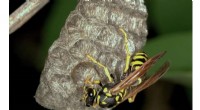
* Found in: Arthropods like insects, crustaceans, and spiders.
* Mechanism: Hard, external coverings made of chitin (a tough carbohydrate) or calcium carbonate. Provides strong protection and support.
* Mobility: Limited by the rigidity of the exoskeleton. To move, arthropods must shed their exoskeleton (molting) and grow a new one, making them vulnerable during this process. Movement is achieved through jointed appendages that provide leverage for movement.
* Advantages: Strong protection, allows for diverse appendages for specialized movement (e.g., wings, claws, legs).
* Disadvantages: Heavy and restricts growth, requiring molting.
3. Endoskeletons:
* Found in: Vertebrates like mammals, reptiles, amphibians, and fish.
* Mechanism: Internal framework made of bones or cartilage. Provides a rigid structure for support and attachment of muscles.
* Mobility: Provides flexibility and allows for a wide range of movement, from slow, deliberate motion to fast, agile movement.
* Advantages: Allows for larger body sizes, supports internal organs, and provides a framework for muscle attachment, enabling complex movement patterns.
* Disadvantages: Can be vulnerable to damage.
Types of Endoskeletons and their impact on mobility:
* Cartilaginous: Found in sharks, rays, and some amphibians. Flexible and lighter than bone, but less strong. Allows for agile and rapid movements in water.
* Bony: Found in most vertebrates. Strong, rigid, and provides good support for movement. Allows for a diverse range of movement patterns based on bone structure and muscle attachments.
Other Factors Influencing Mobility:
* Muscle structure and attachment: The arrangement and type of muscles attached to the skeleton determine the type and range of motion.
* Nervous system: The nervous system controls muscle contractions, allowing for coordinated and purposeful movement.
* Environment: The environment in which an organism lives also influences its mobility. For example, animals living in water have evolved streamlined bodies for efficient swimming.
In Conclusion:
The type of skeleton an organism possesses plays a crucial role in determining its mobility. Each skeletal type offers advantages and disadvantages that have shaped the evolutionary adaptations of diverse organisms, enabling them to thrive in various environments and exhibit a wide range of movement strategies.