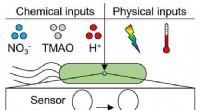
Cells are the fundamental units of life. They are the smallest structural and functional units that can exist independently and perform all the processes necessary for life. Think of them like tiny factories, each with specialized departments carrying out specific tasks.
Here's a description of cells:
* Structure: Cells are incredibly diverse, but all share some common features:
* Plasma membrane: A thin, flexible outer layer that controls what enters and exits the cell.
* Cytoplasm: A gel-like substance that fills the cell and contains the organelles.
* DNA: The cell's genetic material, carrying instructions for all cellular activities.
* Ribosomes: Tiny structures responsible for protein synthesis.
* Function: Each cell is a self-sufficient entity, able to:
* Obtain nutrients: Take in food and energy to fuel their processes.
* Produce energy: Convert food into usable energy through processes like cellular respiration.
* Synthesize molecules: Build proteins, lipids, and other essential molecules.
* Eliminate waste: Remove waste products from cellular processes.
* Respond to stimuli: React to changes in their environment.
* Reproduce: Create new cells through cell division.
* Types: There are countless types of cells, each with a specialized structure and function:
* Nerve cells: Transmit electrical signals throughout the body.
* Muscle cells: Contract to generate movement.
* Blood cells: Carry oxygen and fight infections.
* Plant cells: Perform photosynthesis and provide structural support.
* Bacterial cells: Simple, single-celled organisms found in diverse environments.
Overall, cells are the building blocks of all living organisms. They are responsible for carrying out the complex processes that make life possible. Understanding cells is crucial for understanding the nature of life itself.