Here's a breakdown:
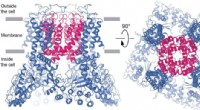
* Transport proteins are a broad category of proteins that facilitate the movement of molecules across cell membranes or within the body.
* They can move a variety of substances, including:
* Nutrients: Like glucose, amino acids, and fatty acids
* Oxygen: Carried by hemoglobin in red blood cells
* Waste products: Like carbon dioxide and urea
* Hormones: Chemical messengers that travel throughout the body
* Ions: Charged particles like sodium, potassium, and calcium
* Examples of transport proteins:
* Hemoglobin: Carries oxygen in red blood cells
* Albumin: Carries fatty acids and other substances in the blood
* Sodium-potassium pump: Moves sodium and potassium ions across cell membranes
* GLUT4: Transports glucose into cells
It's important to note that while "transport proteins" is a general term, there are many specific types of transport proteins, each with its own unique function.