Saprophytes:
* Get their nutrition from dead organic matter. This includes decaying plants, animals, and waste products.
* Don't harm living organisms. They play a crucial role in decomposition, returning nutrients to the ecosystem.
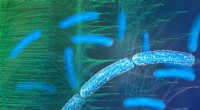
* Examples: Fungi like mushrooms, bacteria that break down compost, some types of molds.
Parasites:
* Get their nutrition from living organisms (hosts). They rely on their host for survival and often cause harm.
* Can cause disease or weaken the host. The level of harm varies greatly, from mild discomfort to death.
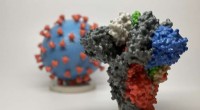
* Examples: Tapeworms, fleas, ticks, viruses, bacteria that cause infections.
Here's a table summarizing the key differences:
| Feature | Saprophyte | Parasite |
|---------------|----------------------|----------------------|
| Food source | Dead organic matter | Living organisms (hosts) |
| Impact on host | None | Harmful |
| Role in ecosystem | Decomposition | Disease, weakening host |
It's important to note that some organisms can act as both saprophytes and parasites depending on the circumstances. For example, some fungi can decompose dead matter but also cause infections in living organisms.