Parasites
* Definition: Organisms that live on or in another organism (called the host) and benefit by deriving nutrients at the host's expense. They typically cause harm to their host, sometimes leading to disease.
* Relationship: Harmful to the host.
* Examples:
* Animals: Ticks, fleas, tapeworms, roundworms, lice
* Plants: Mistletoe, dodder, some fungi
* Bacteria: Salmonella, E. coli
Saprophytes
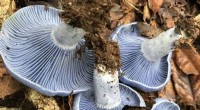
* Definition: Organisms that obtain nutrients from dead organic matter. They play a crucial role in decomposition, breaking down dead plants and animals into simpler substances.
* Relationship: Neutral to living organisms.
* Examples:
* Fungi: Mushrooms, mold, yeasts
* Bacteria: Many types, including those involved in composting and soil enrichment
Key Differences in a Table
| Feature | Parasite | Saprophyte |
|---|---|---|
| Nutrient Source | Living organisms | Dead organic matter |
| Relationship to Host | Harmful | Neutral |
| Role in Ecosystem | Can cause disease, disrupt host health | Decomposers, essential for nutrient recycling |
Think of it this way:
* Parasites are like thieves who steal from a living house (the host).
* Saprophytes are like scavengers who clean up after the house is empty (after the organism dies).