Here are some examples, grouped by area:
General Biology:
* Aristotle (384-322 BC): Often considered the "Father of Biology," he laid the groundwork for classification and observation of living things.
* Robert Hooke (1635-1703): His observations of cells under the microscope were foundational to cell theory.
* Carl Linnaeus (1707-1778): Developed the binomial nomenclature system for classifying organisms, still used today.
Specific Branches:
* Genetics: Gregor Mendel (1822-1884) is considered the "Father of Genetics" for his work on pea plants, which revealed fundamental laws of inheritance.
* Evolution: Charles Darwin (1809-1882), along with Alfred Russel Wallace (1823-1913), revolutionized our understanding of how life changes over time.
* Microbiology: Louis Pasteur (1822-1895) is considered the "Father of Microbiology" for his work on pasteurization and germ theory.
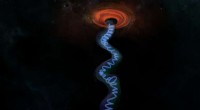
* Molecular Biology: James Watson (1928-present) and Francis Crick (1916-2004) are famous for their discovery of the structure of DNA.
* Ecology: Ernst Haeckel (1834-1919) coined the term "ecology" and emphasized the interconnectedness of living things and their environment.
It's important to note that these are just a few examples, and many other scientists have made significant contributions to their respective fields. Biology is a dynamic field, and new discoveries are being made constantly, building upon the work of previous generations.