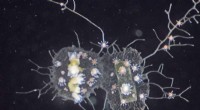
* Renewal and repair: Our bodies are constantly replacing old and damaged cells. This includes skin cells, blood cells, and cells in our digestive system. This process requires ongoing cell division.
* Growth and development: Even after reaching full height, some tissues and organs continue to grow and develop throughout life, albeit at a slower pace. This includes the brain, certain glands, and some parts of the immune system.
* Hormonal regulation: Hormones play a crucial role in regulating cell division. While growth hormone levels decline as we age, other hormones like estrogen and testosterone continue to influence cell division in specific tissues.
However, it's true that cell division dramatically slows down after puberty. This is because:
* Growth hormone levels decline: Growth hormone, which stimulates cell division, decreases significantly after puberty.
* Growth plates close: The growth plates in our long bones, responsible for lengthwise growth, close off after puberty.
* Genetic factors: Our genes play a role in determining how long we grow and when our growth plates close.
So, while cell division does continue throughout life, it's not at the same rate as during childhood and adolescence. The rate of cell division slows down significantly after puberty, contributing to the end of our physical growth.