1. Cell Wall: Plant cells have a rigid cell wall made of cellulose, hemicellulose, and pectin, which acts as a barrier against viruses. Animal cells lack this rigid outer layer.
2. Plasmodesmata: Plant cells are interconnected by plasmodesmata, small channels that allow the passage of small molecules and some proteins. However, these channels are too narrow for most viruses to pass through.
3. Lack of Receptors: Viruses often bind to specific receptors on the surface of host cells to gain entry. Plant cells often lack the specific receptors that viruses need to bind to, making it harder for them to enter.
4. Different Endocytosis Mechanisms: Animal cells use endocytosis, a process where the cell membrane engulfs material from the outside, to internalize viruses. Plant cells have different endocytosis mechanisms that may not be as effective in internalizing viruses.
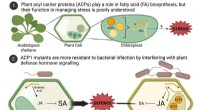
5. Plant Defense Mechanisms: Plants have evolved a complex system of defense mechanisms against pathogens, including viruses. These mechanisms include the production of antiviral proteins, RNA silencing pathways, and the activation of hypersensitive response (HR) to prevent viral spread.
6. Viral Evolution: Viruses often specialize in infecting specific hosts. Plant viruses have evolved to overcome the challenges of infecting plant cells, but they may not be as efficient at infecting animal cells.
In summary, the rigid cell wall, the presence of plasmodesmata, the lack of specific receptors, and the different endocytosis mechanisms all contribute to the difficulty viruses face in entering plant cells. Additionally, plant defense mechanisms further complicate the process.