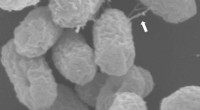
* Bacteria: Prokaryotic cells have ribosomes, which are smaller than those found in eukaryotes.
* Archaea: Prokaryotic cells with ribosomes that are slightly different from those in bacteria.
* Protista: Eukaryotic cells, like algae, protozoa, and slime molds, have ribosomes.
* Fungi: Eukaryotic cells that contain ribosomes.
* Plantae: Eukaryotic cells of plants, including trees, flowers, and ferns, have ribosomes.
* Animalia: Eukaryotic cells of animals, including mammals, insects, and fish, have ribosomes.
Ribosomes are essential for protein synthesis, which is a fundamental process for all living organisms. They translate the genetic information encoded in messenger RNA (mRNA) into proteins.