How genes control traits:
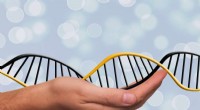
* DNA Structure: Genes are composed of DNA, a molecule that contains the genetic code. DNA consists of two strands of nucleotides, which are linked together in a specific sequence.
* Protein Synthesis: Genes provide the blueprint for protein synthesis. DNA is transcribed into RNA, which is then translated into proteins. Proteins are the building blocks and functional molecules of the body.
* Trait Expression: Proteins play a crucial role in determining an organism's traits. For example, a gene that codes for a specific enzyme may influence hair color, eye color, or a person's susceptibility to certain diseases.
Inheritance of Traits:
* Chromosomes: Genes are located on chromosomes, which are thread-like structures found in the nucleus of every cell. Humans have 23 pairs of chromosomes, with one chromosome from each pair inherited from the mother and the other from the father.
* Alleles: Each gene has two copies, one from each parent. These copies are called alleles. Alleles can be the same or different, and they determine the specific trait that is expressed.
* Dominant and Recessive Alleles: Some alleles are dominant, meaning they mask the expression of the recessive allele. Others are recessive, only expressed when two copies of the recessive allele are present.
* Punnett Squares: These diagrams are used to predict the probability of offspring inheriting specific traits based on the parental genotypes.
In summary, genes control traits and inheritance by providing the instructions for building and maintaining an organism. These instructions are encoded in DNA, which is organized into chromosomes. Each gene has two copies, called alleles, which determine the specific trait that is expressed. The inheritance of these alleles from parents to offspring follows predictable patterns, as demonstrated by Punnett squares.