Structure:
* Building blocks: All living organisms are made up of one or more cells. From the smallest bacteria to the largest whales, every living thing is built from these fundamental units.
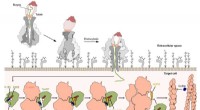
* Complexity within simplicity: While cells are tiny, they contain a complex internal structure with specialized components like the nucleus, cytoplasm, and organelles. These components work together to carry out the functions necessary for life.
Function:
* Essential processes: Cells are responsible for all the vital processes that keep organisms alive. This includes:
* Metabolism: Breaking down nutrients and producing energy.
* Growth: Synthesizing new components to increase in size.
* Repair: Replacing damaged or worn-out parts.
* Response to stimuli: Reacting to changes in the environment.
* Reproduction: Creating new cells for growth and repair, or for the creation of offspring.
* Organized teamwork: In multicellular organisms, cells work together in tissues, organs, and organ systems to perform complex functions that individual cells could not achieve on their own.
In summary:
Cells are the fundamental units of life because they are the smallest entities that can perform all the functions necessary for life. They are the building blocks of all living organisms, and their coordinated actions allow for the incredible diversity and complexity we see in the natural world.