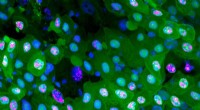
Transgenic Animals:
* Understanding complex biological processes: Animals share a greater degree of biological complexity with humans than bacteria or plants. This means transgenic animals can serve as better models for studying human diseases and testing potential therapies.
* Developing new therapies and treatments: Transgenic animals can be used to model diseases, test new drugs, and develop gene therapies.
* Investigating developmental biology: Transgenic animals are crucial for understanding how genes control development and growth, and how these processes can be affected by environmental factors.
* Studying the effects of gene mutations: Transgenic animals allow scientists to study the impact of specific gene modifications on various physiological processes, providing insights into the role of individual genes.
Transgenic Bacteria:
* Producing valuable proteins and enzymes: Bacteria are excellent factories for producing proteins and enzymes. Transgenic bacteria can be engineered to produce large quantities of valuable substances like insulin, growth hormones, and biofuels.
* Studying gene regulation and protein function: Bacteria are relatively simple organisms, making them ideal for studying the basic mechanisms of gene regulation and protein function.
* Bioremediation: Transgenic bacteria can be designed to break down pollutants and clean up contaminated environments.
Transgenic Plants:
* Developing pest and disease resistance: Transgenic plants can be engineered to produce their own insecticides or be resistant to specific diseases, reducing the need for chemical pesticides.
* Improving nutritional content: Transgenic plants can be modified to produce higher levels of vitamins, minerals, and other nutrients.
* Increasing yield and stress tolerance: Transgenic plants can be made more resistant to drought, salinity, and other environmental stresses, increasing crop yields.
* Developing biofactories: Plants can be used as biofactories to produce valuable proteins and pharmaceuticals.
So, what are scientists more likely to learn from transgenic animals?
In essence, scientists are more likely to gain insights into complex biological processes, develop new therapies and treatments, and study developmental biology from transgenic animals. This is due to their greater similarity to humans in terms of physiology and disease mechanisms.
However, it's important to remember that all three types of transgenic organisms offer unique and valuable insights. The choice of which organism to use depends on the specific research question being investigated.