1. Flower: This is the primary site for pollination. It's where the pollen is produced and where the pollen needs to land for fertilization.
* Anther: This is the part of the stamen that produces pollen grains.
* Filament: This is the stalk that supports the anther.
* Stigma: This is the sticky top part of the pistil, which receives pollen grains.
* Style: This is the tube-like structure that connects the stigma to the ovary.
* Ovary: This is the base of the pistil where the ovules are located.
2. Pollen: These are tiny grains produced by the anther. They contain the male gametes (sperm) needed for fertilization.
3. Pollinators: These are animals or agents that transfer pollen from the anther of one flower to the stigma of another. Common pollinators include:
* Bees: These are the most well-known pollinators, attracted to flowers by their bright colors and sweet nectar.
* Butterflies and moths: These are also drawn to bright colors and nectar, and can fly long distances.
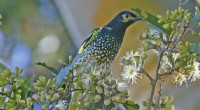
* Birds: Hummingbirds and other bird species pollinate flowers that are brightly colored and often red or orange.
* Wind: This can carry pollen long distances, especially for plants like grasses and trees.
* Water: Some aquatic plants use water to carry pollen.
4. Seeds: After successful pollination and fertilization, the ovary develops into a fruit that contains seeds. These seeds contain the plant's next generation.
The process of pollination:
1. Pollen is released: The anther produces pollen grains, which are released into the environment.
2. Pollen is transferred: Pollinators or wind carry the pollen grains to the stigma of another flower.
3. Pollen germinates: The pollen grain lands on the stigma and germinates, growing a pollen tube down the style to the ovary.
4. Fertilization occurs: The sperm from the pollen grain travels through the pollen tube and fertilizes the ovule in the ovary.
5. Seed development: The fertilized ovule develops into a seed, while the ovary becomes a fruit.
In summary: Pollination involves the transfer of pollen from the anther of one flower to the stigma of another, enabling fertilization and the production of seeds. This intricate process relies on the interaction of various plant parts, pollinators, and environmental factors.