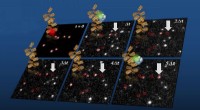
Here's how they work together:
* Cyclins: These proteins are named for their cyclical nature. They fluctuate in concentration throughout the cell cycle, rising and falling at specific points. There are different types of cyclins, each associated with a particular phase of the cycle (e.g., G1 cyclins, S cyclins, M cyclins).
* Cyclin-dependent kinases (CDKs): These are enzymes that are always present in the cell but are inactive unless bound to a cyclin. CDKs phosphorylate (add a phosphate group) to other proteins, which can activate or deactivate them.
How they regulate and cause the cell cycle:
1. Activation: When a cyclin binds to a CDK, it activates the CDK. This activated complex can then phosphorylate specific target proteins.
2. Progression: The phosphorylation of target proteins triggers events that drive the cell cycle forward. For example, the phosphorylation of certain proteins initiates DNA replication during the S phase.
3. Timing: The different types of cyclins bind to CDKs at specific points in the cell cycle, ensuring that events occur in the correct order.
4. Regulation: The activity of CDKs is also regulated by other mechanisms, such as phosphorylation and dephosphorylation, and the binding of inhibitors. This ensures that the cell cycle progresses accurately and that it can be stopped if necessary.
In summary: The interaction of cyclins and CDKs creates a tightly controlled system that drives the cell cycle forward while also ensuring that it proceeds in an orderly and timely manner. This system is essential for cell growth, development, and tissue repair.