1. Consumption:
* Predation: One organism (the predator) consumes another organism (the prey), transferring matter from the prey's body to the predator's. This includes all the nutrients and energy stored within the prey.
* Herbivory: Herbivores consume plants, transferring matter from the plant's tissues to the herbivore's body.
* Parasitism: Parasites live in or on another organism (the host) and obtain nutrients from the host, essentially transferring matter from the host to the parasite.
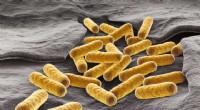
* Decomposers: Organisms like bacteria and fungi break down dead organisms and waste products, releasing nutrients back into the environment, making them available for other organisms.
2. Symbiosis:
* Mutualism: Two organisms benefit from their interaction. For example, in the case of nitrogen-fixing bacteria and plants, the bacteria transfer nitrogen to the plant, while the plant provides the bacteria with a home and nutrients.
* Commensalism: One organism benefits, while the other is neither helped nor harmed. For instance, barnacles living on the skin of whales receive a place to live but don't directly impact the whale.
3. Nutrient Cycling:
* Carbon Cycle: Through photosynthesis, plants absorb carbon dioxide from the atmosphere and use it to build their bodies. Animals consume plants, incorporating carbon into their bodies. When organisms die, they decompose, releasing carbon back into the atmosphere.
* Nitrogen Cycle: Nitrogen is essential for life, and its cycling involves bacteria that fix nitrogen from the atmosphere into usable forms for plants. Animals consume plants, obtaining nitrogen. Nitrogen is returned to the environment through decomposition or excretion.
Examples:
* A deer eats grass, transferring matter from the grass to its body.
* A lion kills and eats a zebra, transferring matter from the zebra to the lion.
* A fungus decomposes a fallen tree, releasing nutrients back into the soil.
Key Points:
* Energy Flow: Matter is transferred through food webs, but energy is lost at each level as heat.
* Food Webs: The interconnected feeding relationships within an ecosystem form complex food webs, which are essential for the transfer of matter.
* Ecosystem Health: The efficient cycling of matter is crucial for maintaining the health and balance of ecosystems.
This intricate process of matter transfer ensures the continuous flow of nutrients and energy within an ecosystem, supporting life in all its diversity.