Here's a breakdown:
* Organelles: These are specialized structures within the cell that perform specific functions. Examples include:
* Nucleus: Contains the cell's genetic material (DNA).
* Mitochondria: Powerhouse of the cell, responsible for energy production.
* Ribosomes: Produce proteins.
* Golgi apparatus: Processes and packages proteins.
* Endoplasmic reticulum: A network of membranes involved in protein synthesis and lipid metabolism.
* Lysosomes: Digest waste products.
* Molecules: These are tiny units made up of atoms that make up the organelles. Examples include:
* Proteins: Made up of amino acids, they perform a wide variety of functions.
* Carbohydrates: Provide energy and structural support.
* Lipids: Include fats and oils, serve as energy stores and components of cell membranes.
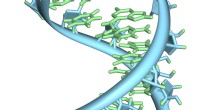
* Nucleic acids: DNA and RNA, carry genetic information.
So, even though cells are the smallest unit of life, they are incredibly complex and made up of even smaller components.