Continuity of Form:
* Precise Copying: DNA replication is extremely accurate, with very few errors occurring. This ensures that the newly synthesized DNA molecule is an exact copy of the original, preserving the genetic information.
* Identical Copies: Each daughter cell receives a complete and identical copy of the parental DNA. This ensures that both daughter cells have the same genetic blueprint and can develop into cells with the same structure and form as the parent cell.
Continuity of Function:
* Genetic Inheritance: DNA carries the genetic code that determines the traits and characteristics of an organism. By accurately copying this code, DNA replication ensures that offspring inherit the same genetic information as their parents.
* Protein Synthesis: The genetic code in DNA is used to produce proteins, which are essential for carrying out various cellular functions. A faithful copy of the DNA ensures that all the necessary proteins are produced in the correct quantities, allowing the daughter cells to function properly.
* Cellular Processes: The genetic information in DNA controls the processes that occur within a cell, from cell division to metabolism to response to environmental stimuli. Replication ensures that these processes are carried out accurately in the daughter cells, maintaining the cell's overall function.
How DNA Replication Works:
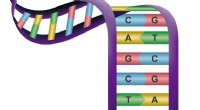
1. Unwinding: The DNA double helix unwinds, separating the two strands.
2. Primer Formation: Short RNA primers are added to the DNA strands, providing starting points for DNA synthesis.
3. Elongation: Enzymes called DNA polymerases add nucleotides to the primer, building a new DNA strand complementary to the template strand.
4. Proofreading: DNA polymerases have a proofreading function, correcting any errors that occur during replication.
5. Termination: Once the entire DNA molecule has been replicated, the process is terminated, and the two new DNA molecules separate.
Overall, DNA replication is a highly accurate and regulated process that ensures that the genetic information contained within DNA is passed on faithfully from one cell generation to the next, guaranteeing the continuity of both form and function.