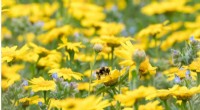
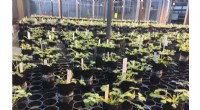
* Autotrophs: These organisms can produce their own food from inorganic sources, like sunlight and carbon dioxide, using photosynthesis. Examples include plants, algae, and some bacteria.
* Heterotrophs: These organisms cannot produce their own food and must consume other organisms or organic matter for energy. Examples include:
* Animals: They obtain energy by eating plants or other animals.
* Fungi: They obtain nutrients from decaying organic matter.
* Bacteria: A wide variety of bacteria are heterotrophic, some are decomposers while others are parasites.
Here are some key characteristics of heterotrophs:
* They rely on organic sources for energy.
* They cannot convert inorganic compounds into usable energy.
* They must consume other organisms or their products to survive.
Let me know if you'd like to explore any particular type of heterotroph in more detail!