1. Nucleus:
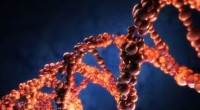
* Function: The control center of the cell. It contains the cell's genetic material (DNA) in the form of chromosomes. The nucleus directs protein synthesis and controls the cell's activities.
2. Cytoplasm:
* Function: A gel-like substance that fills the cell and provides a medium for the organelles to function. It's involved in many cellular processes, including metabolism and transport.
3. Ribosomes:
* Function: Tiny structures responsible for protein synthesis. They read the genetic code from messenger RNA (mRNA) and use it to assemble amino acids into proteins.
4. Endoplasmic Reticulum (ER):
* Function: A network of interconnected membranes that acts as a transportation system within the cell. There are two types:
* Rough ER: Covered with ribosomes and involved in protein synthesis and modification.
* Smooth ER: Doesn't have ribosomes and plays a role in lipid synthesis, detoxification, and calcium storage.
5. Golgi Apparatus:
* Function: A stack of flattened membrane-bound sacs that process and package proteins and lipids for secretion or use within the cell.
6. Mitochondria:
* Function: Often called the "powerhouses of the cell," mitochondria are responsible for cellular respiration. They break down glucose to produce ATP, the cell's primary energy source.
7. Lysosomes:
* Function: Membrane-bound sacs containing enzymes that break down waste products, cellular debris, and engulfed bacteria. They are involved in cell recycling.
8. Vacuoles:
* Function: Large, fluid-filled sacs that provide storage for water, nutrients, and waste products. They also contribute to cell turgor (rigidity).
9. Cell Membrane:
* Function: The outermost layer of the cell, selectively regulating what enters and exits the cell. It's involved in communication with other cells and the environment.
10. Cytoskeleton:
* Function: A network of protein filaments that provides structure and support to the cell. It also helps with movement, cell division, and the transport of organelles.
These are just some of the key structures found in protoplasm. Each plays a crucial role in the cell's overall function and survival.