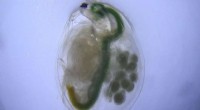
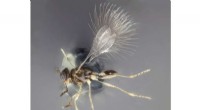
Unicellular Organisms:
* Single-celled: These organisms are made up of only one cell, which carries out all the functions necessary for life.
* Simple structure: They lack specialized tissues and organs.
* Examples: Bacteria, archaea, protozoa, algae (some species)
Multicellular Organisms:
* Multiple cells: These organisms are composed of many cells working together.
* Specialized cells: Different cells have specific structures and functions, forming tissues and organs.
* Complex structure: They possess complex systems for communication and coordination between cells.
* Examples: Plants, animals, fungi
Here's a table summarizing the key differences:
| Feature | Unicellular Organisms | Multicellular Organisms |
|-------------------|------------------------|-------------------------|
| Number of cells | One | Many |
| Cell specialization| None | Present |
| Tissues and organs| Absent | Present |
| Complexity | Simple | Complex |
| Examples | Bacteria, protozoa | Plants, animals |
Here are some additional points to consider:
* Size: Unicellular organisms are generally microscopic, while multicellular organisms can range in size from small to very large.
* Reproduction: Unicellular organisms typically reproduce asexually, while multicellular organisms can reproduce sexually or asexually.
* Lifespan: Unicellular organisms generally have shorter lifespans than multicellular organisms.
* Evolution: Unicellular organisms are believed to have been the first forms of life on Earth, and multicellular organisms evolved from them.
Overall, the distinction between unicellular and multicellular organisms highlights the remarkable diversity of life on Earth and the incredible range of cellular organization that exists.