1. Limited Resources:
* Sunlight: Plants themselves block sunlight, which is essential for most organisms.
* Food: The ground under plants is often devoid of the food sources that many organisms rely on.
* Water: While some plants may retain moisture, the environment under them can be dry and prone to rapid changes in humidity.
2. Predation and Competition:
* Predators: Many predators, like snakes and insects, use the cover of plants to ambush their prey.
* Competition: Other organisms may already be living in the undergrowth, competing for limited resources.
3. Hazards:
* Disease: Plants can harbor bacteria, fungi, and other pathogens that can be harmful to animals.
* Poisons: Some plants produce toxins that can be lethal to animals.
* Snakes and insects: As mentioned, these creatures often find refuge under plants.
4. Limited Movement:
* Obstacles: Dense plant growth can restrict movement and make it difficult for organisms to escape predators or find food.
5. Temperature Fluctuations:
* Heat: Under thick vegetation, temperatures can rise significantly, especially during the day.
* Cold: At night, temperatures can drop quickly, making it difficult to survive.
Exceptions:
There are some organisms that thrive under plants, but these are often adapted to these specific conditions:
* Decomposers: Fungi, bacteria, and other decomposers break down dead plant matter and can thrive in the dark, moist environments under plants.
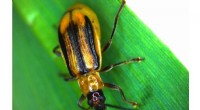
* Insects: Some insects, particularly those that feed on plants, have adapted to live under vegetation.
* Small mammals: Some small mammals, like mice and voles, can create burrows under plants for shelter and protection.
Overall, while some organisms can survive and even thrive in the environment under plants, it is generally not considered a safe or hospitable place to live.