* Genes: These are segments of DNA that code for specific traits.
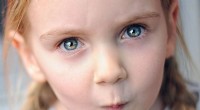
* Alleles: These are alternative forms of a gene. For example, the gene for eye color might have alleles for blue eyes, brown eyes, or green eyes.
* Inheritance: During sexual reproduction, each parent contributes one allele for each gene to their offspring.
* Genotype: The combination of alleles an organism possesses for a particular gene is its genotype. For example, an individual might have two alleles for brown eyes (BB), one allele for brown eyes and one for blue eyes (Bb), or two alleles for blue eyes (bb).
Therefore, the following factors directly influence an organism's genotype:
* Parental Genotype: The alleles that the parents possess for each gene.
* Random Segregation: During meiosis (cell division that produces gametes), the alleles from each parent are randomly separated into different gametes. This means that offspring inherit a random combination of their parents' alleles.
* Mutations: Changes in the DNA sequence can create new alleles, which can be passed down to offspring and affect their genotype.
It's important to note that the genotype of an organism determines its phenotype, which is the observable physical or biochemical characteristics of the organism. However, the relationship between genotype and phenotype can be complex and influenced by other factors, such as environmental conditions.