1. Mode of Life (Habitat and Movement):
* Land Animals: Quadrupeds, bipeds, and wingless.
* Water Animals: Fish, crustaceans, cephalopods.
* Air Animals: Birds, flying insects.
2. Blood:
* Bloodless Animals: Insects, mollusks, and crustaceans (considered "lower" forms).
* Blooded Animals: All other animals, including mammals, birds, fish, and reptiles (considered "higher" forms).
3. Method of Reproduction:
* Viviparous Animals: Give birth to live young (mammals).
* Oviparous Animals: Lay eggs (birds, reptiles, fish).
4. Body Structure and Morphology:
* Presence or Absence of Legs, Wings, and Fins.
* Body Shape and Form.
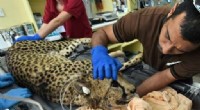
* Internal Anatomy: He dissected many animals, studying their organs and systems.
5. Behavior and Habits:
* Social Behavior: He observed the behavior of animals in groups.
* Feeding Habits: He classified animals based on their diet, such as carnivores, herbivores, and omnivores.
6. Sensory Abilities:
* Sight, Hearing, Smell, Taste, and Touch.
It's important to note:
* Aristotle's classification system was hierarchical, with animals grouped based on their perceived complexity. This system was not evolutionary and did not reflect any understanding of common ancestry.
* His classification system was based on observable characteristics, and some of his groupings were later proven to be inaccurate or misleading (e.g., grouping all "bloodless" animals together).
While Aristotle's classification system had its limitations, it was a significant contribution to the study of animals and served as a foundation for later taxonomical systems.