Organisms that can only reproduce sexually:
* Most mammals: While there are some exceptions, most mammals reproduce only sexually.
* Birds: Birds reproduce only sexually, with internal fertilization and laying eggs.
* Reptiles: Reptiles reproduce sexually, although some species can reproduce through parthenogenesis (asexual reproduction without fertilization).
* Amphibians: Most amphibians reproduce sexually, with external fertilization in water.
Organisms that can only reproduce asexually:
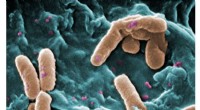
* Many bacteria: Bacteria typically reproduce asexually through binary fission.
* Many protists: Protists, like amoebas, can reproduce asexually through various methods, including binary fission and budding.
* Some fungi: Some fungi, like yeast, can reproduce asexually through budding.
* Some plants: Some plants, like dandelions, can reproduce asexually through apomixis.
It's important to note that:
* There are some exceptions: For example, while most mammals reproduce only sexually, some can reproduce asexually through parthenogenesis. This is rare but can occur in certain species like Komodo dragons.
* The definition of "sexually" and "asexually" can be flexible: For example, some organisms, like bacteria, might exchange genetic material through horizontal gene transfer, which is considered a form of sexual reproduction even though it doesn't involve the formation of gametes.
Overall, the ability to reproduce both sexually and asexually is not a common trait, and many organisms have evolved to specialize in one or the other method.