1. Speeding up Reactions:
* Metabolic Processes: Our bodies rely on thousands of chemical reactions for things like breaking down food, building cells, and generating energy. These reactions would occur at extremely slow rates without enzymes, making life impossible.
* Specificity and Efficiency: Enzymes are highly specific, meaning each enzyme catalyzes only a particular reaction. This ensures reactions happen efficiently, without unwanted side products.
2. Lowering Activation Energy:
* Energy Barrier: Chemical reactions require a certain amount of energy to start, known as activation energy. Enzymes lower this energy barrier, making it easier for reactions to occur.
3. Maintaining Homeostasis:
* Regulating Metabolic Pathways: By controlling the speed of reactions, enzymes play a crucial role in maintaining the delicate balance of biochemical processes in the body, essential for homeostasis.
4. Examples of Enzyme Function:
* Digestion: Digestive enzymes break down food into smaller molecules that can be absorbed by the body.
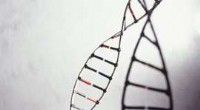
* DNA Replication: Enzymes are essential for copying DNA, ensuring accurate genetic information is passed on to new cells.
* Cellular Respiration: Enzymes catalyze the reactions involved in breaking down glucose for energy production.
In summary, enzymes are essential for life because they:
* Accelerate biological reactions: Making life's processes occur at a rate compatible with life.
* Provide specificity: Ensuring that reactions happen correctly and efficiently.
* Maintain homeostasis: Keeping the body's internal environment balanced.
Without enzymes, the countless reactions necessary for life would happen too slowly, leading to dysfunction and eventually death.