Cell Theory: The Fundamental Principle of Biology
Cell theory is a fundamental principle of biology that states:
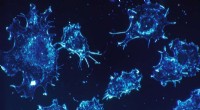
1. All living organisms are made up of one or more cells. This means that everything from bacteria to humans is composed of these basic units of life.
2. The cell is the basic unit of structure and function in all living organisms. Cells are not just building blocks, they are the functional units that carry out all the processes of life.
3. All cells arise from pre-existing cells. This means that new cells are not spontaneously generated; they come from the division of existing cells.
Key Scientists:
* Robert Hooke (1665): First observed and named cells (though he was looking at the dead cell walls of cork).
* Anton van Leeuwenhoek (1674): Observed living cells (animalcules) under his improved microscope.
* Matthias Schleiden (1838): Proposed that all plants are made of cells.
* Theodor Schwann (1839): Extended the idea to include animals, solidifying the concept that all living things are made of cells.
* Rudolf Virchow (1855): Added the principle that all cells arise from pre-existing cells.
Importance of Cell Theory:
Cell theory revolutionized our understanding of life. It provided a unified framework for studying living organisms and led to breakthroughs in medicine, genetics, and many other fields.
Let me know if you have any more questions about cell theory or biology in general!