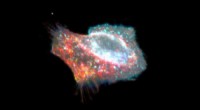
1. Bacterial Cell:
* What it is: A complete, living organism. It's a single-celled entity that can reproduce and perform all the functions of life.
* Structure: Bacterial cells have a simple structure, consisting of:
* Cell wall: A rigid outer layer that gives the cell its shape.
* Plasma membrane: A thin, flexible layer that controls what enters and exits the cell.
* Cytoplasm: The jelly-like substance that fills the cell and contains the cell's organelles.
* Ribosomes: Small structures responsible for protein synthesis.
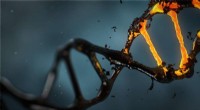
* DNA: The genetic material of the bacterium, usually a single, circular chromosome.
* Function: Bacteria are incredibly diverse and perform many roles in the environment, from decomposing organic matter to causing disease.
2. Chromosome:
* What it is: A long, thread-like structure of DNA that contains genes. Genes carry the instructions for building and maintaining an organism.
* Structure: A chromosome is made up of tightly packed DNA wound around proteins called histones.
* Function: The main function of a chromosome is to carry genetic information. This information is passed down from parent to offspring, determining traits like eye color, hair color, and height.
Difference:
* Scope: A bacterial cell is a complete living organism. A chromosome is just a part of a cell (or even a virus) containing genetic information.
* Function: A bacterial cell performs all the functions of life, while a chromosome is responsible for carrying and transmitting genetic information.
* Complexity: Bacterial cells are relatively simple compared to the cells of plants and animals. Chromosomes are found in all living things, from bacteria to humans.
In Summary: A bacterial cell is like a house, while a chromosome is like a blueprint containing the instructions for building that house. The chromosome is contained within the bacterial cell, but it's just one part of the complex machinery that makes up a living organism.