Here's a breakdown of their key characteristics and functions:
Key Characteristics:
* White Blood Cells: Phagocytes are a type of leukocyte (white blood cell), which are crucial for the immune system.
* Specialized for engulfing: They have specialized receptors on their surface that recognize and bind to foreign substances.
* Contain lysosomes: Phagocytes contain lysosomes, which are intracellular organelles filled with enzymes that break down the engulfed material.
Functions:
1. Phagocytosis: The primary function of phagocytes is to engulf and destroy foreign substances through phagocytosis. This process involves:
* Recognition and Attachment: The phagocyte recognizes and binds to the foreign substance (e.g., bacteria) using its receptors.
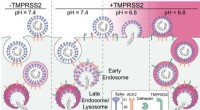
* Engulfment: The phagocyte surrounds the target with its cell membrane, forming a phagosome (vesicle).
* Fusion with Lysosomes: The phagosome fuses with lysosomes, releasing enzymes that break down the engulfed material.
2. Immune Response: Phagocytes play a key role in the immune response by:
* Destroying pathogens: They eliminate bacteria, viruses, and fungi, preventing infection.
* Presenting antigens: Phagocytes can process and present antigens (parts of pathogens) to other immune cells, initiating a more specific immune response.
* Releasing inflammatory mediators: They can release cytokines and chemokines that attract other immune cells to the site of infection.
Types of Phagocytes:
There are several types of phagocytes, including:
* Neutrophils: The most abundant type of phagocyte, responsible for the first line of defense against infection.
* Macrophages: Large, long-lived phagocytes that patrol the tissues and play a role in both innate and adaptive immunity.
* Dendritic Cells: Specialized phagocytes that present antigens to T cells, initiating adaptive immune responses.
In Summary:
Phagocytes are essential cells of the immune system that engulf and destroy harmful substances, contributing to both innate and adaptive immunity. Their ability to recognize, engulf, and break down foreign invaders makes them a critical line of defense against infection.