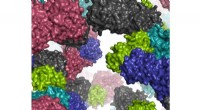
Structural Proteins:
* Collagen: Found in connective tissues like skin, bones, tendons, and cartilage, providing strength and support.
* Keratin: Forms hair, nails, skin, and feathers, providing protection and structure.
* Elastin: Allows tissues to stretch and recoil, found in skin, blood vessels, and lungs.
* Actin and Myosin: Muscle proteins responsible for contraction and movement.
Enzymes:
* Lactase: Breaks down lactose in milk.
* Pepsin: Digests proteins in the stomach.
* DNA polymerase: Replicates DNA.
* Amylase: Breaks down starch in the mouth and pancreas.
Hormones:
* Insulin: Regulates blood sugar levels.
* Growth hormone: Promotes growth and development.
* Thyroid hormone: Regulates metabolism.
Antibodies:
* Immunoglobulin G (IgG): Most abundant antibody in the blood, protects against infections.
* Immunoglobulin M (IgM): First antibody produced in response to an infection.
* Immunoglobulin A (IgA): Found in secretions like saliva and breast milk, protects against pathogens.
Transport Proteins:
* Hemoglobin: Carries oxygen in red blood cells.
* Albumin: Carries fatty acids and hormones in the blood.
* Transferrin: Carries iron in the blood.
Other Important Proteins:
* Casein: Milk protein, provides nutrition for infants.
* Gluten: Protein found in wheat, barley, and rye, gives bread its elasticity.
* Albumin: Found in egg whites, provides protein and nutrients.
* Silk: Protein produced by silkworms, used for clothing and other textiles.
This is just a small sample of the vast array of proteins found in living organisms. Each protein has a unique structure and function, contributing to the complexity and diversity of life.