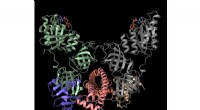
Glycagon is a hormone produced by the alpha cells of the pancreas. It plays a crucial role in regulating blood glucose levels, acting as the counterpart to insulin.
Here's a breakdown of its key functions:
1. Raising Blood Glucose:
* When blood glucose levels drop below a certain point (hypoglycemia), the pancreas releases glycagon.
* Glycagon acts on the liver, triggering the breakdown of stored glycogen into glucose.
* This glucose is then released into the bloodstream, raising blood sugar levels back to normal.
2. Other Actions:
* Glycagon can also stimulate gluconeogenesis, the process of creating new glucose from non-carbohydrate sources like amino acids and fatty acids.
* It promotes the release of free fatty acids from fat stores, providing alternative energy sources.
3. Importance:
* Glycagon is essential for maintaining normal blood glucose levels, preventing hypoglycemia.
* It is particularly important during periods of fasting or exercise, when blood glucose levels may decrease.
4. Disregulation:
* High levels of glycagon can contribute to hyperglycemia (high blood sugar), especially in individuals with diabetes.
* Low levels of glycagon can lead to hypoglycemia, a potentially dangerous condition.
5. Clinical Significance:
* Glycagon injections are used to treat severe hypoglycemia, particularly in individuals with diabetes.
* Glycagon receptor agonists are being investigated as potential treatments for diabetes and obesity.
In summary, glycagon is a critical hormone that helps maintain blood glucose homeostasis. It acts in opposition to insulin to ensure a stable supply of glucose for the body's energy needs.