1. Chemoorganotrophy: This is the most common type in soil. Organisms obtain energy by breaking down organic compounds (like sugars, proteins, fats) for energy and carbon. This includes:
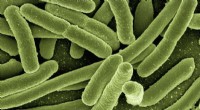
* Decomposers: Bacteria and fungi that break down dead organic matter.
* Saprotrophs: Similar to decomposers, they feed on dead organic matter.
* Symbiotic organisms: Like mycorrhizal fungi, which form relationships with plants to obtain nutrients.
2. Chemolithotrophy: Organisms obtain energy by oxidizing inorganic compounds like ammonia, sulfur, or iron. This includes:
* Nitrifying bacteria: Convert ammonia to nitrates, an important process for plant nutrition.
* Sulfur-oxidizing bacteria: Utilize sulfur compounds for energy.
* Iron-oxidizing bacteria: Utilize iron compounds for energy.
3. Photoautotrophy: Organisms use sunlight as their energy source and carbon dioxide as their carbon source. This includes:
* Photosynthetic bacteria: Perform photosynthesis to produce energy and organic compounds.
* Algae: Contribute to primary productivity in soil.
4. Mixotrophy: Organisms combine different metabolic strategies, using both organic and inorganic compounds as energy sources. This includes:
* Certain bacteria and algae: Can switch between photoautotrophic and chemoorganotrophic modes depending on available resources.
It's important to note that this is a simplified classification. There are many other metabolic pathways within each category, and some organisms can switch between them based on environmental conditions.