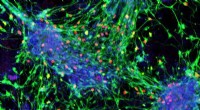
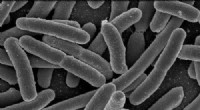
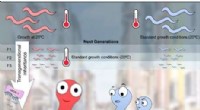
1. Organization: All organisms are made of cells, the basic units of life. These cells are organized into tissues, organs, and organ systems to carry out specific functions.
2. Metabolism: Organisms carry out a variety of chemical reactions to sustain life. These reactions involve breaking down nutrients for energy, building new molecules, and removing waste products.
3. Growth and Development: Organisms increase in size and complexity over time. This growth is often accompanied by changes in form and function, known as development.
4. Adaptation: Organisms are able to adjust to their environment to survive and reproduce. These adaptations can be physical, behavioral, or physiological.
5. Reproduction: Organisms produce offspring to ensure the continuation of their species. Reproduction can be sexual or asexual, depending on the organism.