1. Density-Dependent Factors: These factors become more intense as population density increases.
* Competition: Individuals compete for limited resources like food, water, shelter, and mates. This can lead to reduced survival and reproduction rates.
* Predation: Predators often target prey species that are abundant, leading to increased mortality in the prey population.
* Disease: Diseases can spread more easily in dense populations, leading to increased mortality.
* Parasitism: Parasites can weaken and kill their hosts, especially in dense populations.
2. Density-Independent Factors: These factors affect population size regardless of population density.
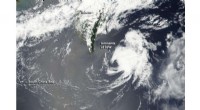
* Climate: Extreme weather events like droughts, floods, and storms can cause widespread mortality, regardless of population density.
* Natural Disasters: Volcanic eruptions, earthquakes, and wildfires can devastate populations regardless of their size.
* Human Impact: Habitat loss, pollution, and climate change can significantly impact populations, regardless of density.
3. Limiting Factors: These are the factors that ultimately determine the carrying capacity of an environment, which is the maximum population size that an environment can sustain.
* Food availability: Lack of food can limit population growth.
* Water availability: Shortage of water can limit population growth.
* Shelter availability: Lack of suitable shelter can limit population growth.
* Suitable breeding grounds: Limited access to safe breeding grounds can limit population growth.
In summary, population limitations arise from a complex interplay of density-dependent and density-independent factors, ultimately shaping the carrying capacity of an environment.