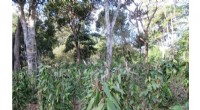
1. Plants: The most well-known autotrophs are plants. They use photosynthesis to convert sunlight, carbon dioxide, and water into glucose (a sugar) and oxygen. This process provides them with energy and the building blocks for growth.
2. Algae: Algae are another important group of autotrophs, including seaweed and phytoplankton. They live in aquatic environments and also use photosynthesis to produce food. Phytoplankton are especially important as they form the base of many marine food webs.
3. Cyanobacteria: These are bacteria that also use photosynthesis to produce their own food. They are found in a wide range of environments, including water, soil, and even the surfaces of rocks. Cyanobacteria played a significant role in the early evolution of Earth's atmosphere by releasing oxygen.
4. Chemosynthetic bacteria: Unlike plants and algae, these bacteria do not rely on sunlight for energy. Instead, they use the energy released from chemical reactions, such as the oxidation of inorganic compounds like sulfur or iron. These bacteria are found in extreme environments like hydrothermal vents and deep-sea ecosystems.
Examples of organisms that are not autotrophs (heterotrophs):
* Animals
* Fungi
* Most bacteria (except for chemosynthetic bacteria)
Key takeaway: Autotrophs are crucial for life on Earth because they produce organic compounds (food) that sustain other organisms. They are the foundation of all food webs and ecosystems.