Here's a breakdown of its key functions:
* Protection: The cell membrane acts as a barrier, keeping the cell's internal environment separate from the external environment. This protects the cell from harmful substances and helps maintain its internal stability.
* Regulation: The cell membrane is selectively permeable, meaning it controls what can pass through it. This allows the cell to take in nutrients and oxygen, while expelling waste products and maintaining the proper balance of ions and other molecules inside the cell.
Here are some additional details:
* The cell membrane is composed of a phospholipid bilayer, with hydrophilic (water-loving) heads facing outward and hydrophobic (water-fearing) tails facing inward.
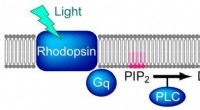
* Embedded within the membrane are various proteins that play crucial roles in transport, signaling, and adhesion.
* The cell membrane is a dynamic structure, constantly changing its composition and shape in response to the cell's needs.
In summary, the cell membrane is a vital component of all cells, playing a critical role in maintaining the cell's integrity, regulating its internal environment, and allowing it to interact with its surroundings.