Here's how it works:
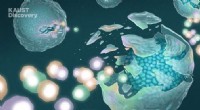
1. Target Recognition: The cell identifies a specific substance, like a bacterium or debris, to engulf.
2. Membrane Extension: The cell membrane extends outward, forming pseudopodia (projections) that surround the target.
3. Engulfment: The pseudopodia fuse, enclosing the target in a membrane-bound vesicle called a phagosome.
4. Fusion with Lysosome: The phagosome moves into the cell's cytoplasm and fuses with a lysosome, a vesicle containing digestive enzymes.
5. Digestion: The lysosomal enzymes break down the engulfed substance, releasing its components into the cell's cytoplasm.
Phagocytosis is an essential process for many cell types, including immune cells like macrophages and neutrophils. It helps clear pathogens, debris, and other unwanted substances from the body.