1. Primary Producers (Base of the Food Chain):
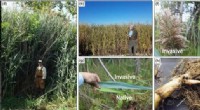
* Aquatic Plants: Hippopotamuses are herbivores, primarily grazing on aquatic plants like water hyacinth, reeds, grasses, and water lilies in shallow water.
* Phytoplankton: Microscopic algae that form the base of the food chain for many aquatic organisms, including some fish that hippos may consume.
2. Herbivores (Consumers of Plants):
* Hippopotamus: The keystone species of this ecosystem, they consume massive amounts of plants and influence the vegetation structure.
* Other Herbivores: Other herbivores might share the hippo's habitat, like crocodiles, fish, and various bird species that feed on aquatic plants or insects.
3. Carnivores (Consumers of Other Animals):
* Crocodiles: A major predator of hippos, especially young ones. They are opportunistic and may scavenge on dead hippos as well.
* Fish: Some fish species might consume hippopotamus eggs, larvae, or young.
* Birds of Prey: Birds like eagles, vultures, and hawks might feed on carrion (dead hippos).
4. Decomposers:
* Bacteria and Fungi: These break down dead plants and animals, releasing nutrients back into the ecosystem, making them available for primary producers.
* Insects: Certain insects, such as dung beetles, play a role in breaking down hippo dung and contributing to nutrient cycling.
5. Competition:
* Inter-specific Competition: Hippos compete with other herbivores for food and resources.
* Intra-specific Competition: Hippos compete amongst themselves for territories, breeding opportunities, and access to food resources.
6. Symbiotic Relationships:
* Hippos and Birds: Certain bird species are known to benefit from feeding on parasites on hippos, while the hippo benefits from being rid of parasites. This is an example of mutualism.
Remember: Biotic factors are all the living organisms within an ecosystem, and they are interconnected in complex ways. The hippopotamus plays a crucial role in shaping the ecosystem, influencing plant life, water quality, and the lives of other species.