The Key Players:
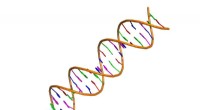
* DNA: The genetic blueprint, containing instructions for building and maintaining the plant.
* RNA: A messenger molecule that carries the DNA instructions to the protein-making machinery.
* Proteins: The workhorses of the cell, responsible for a vast array of functions, including enzyme activity.
* Enzymes: Special proteins that catalyze (speed up) chemical reactions, making them possible within the plant.
The Process (Simplified):
1. DNA Contains the Recipes: DNA within the plant's nucleus holds the genetic code for all the plant's proteins, including enzymes.
2. RNA Transcribes the Instructions: A specific segment of DNA is copied (transcribed) into a messenger RNA (mRNA) molecule. This mRNA carries the code for a particular protein to the ribosomes.
3. Ribosomes Build the Proteins: Ribosomes, the protein-making factories in the cell, use the mRNA code to assemble amino acids into a specific protein.
4. Enzymes Drive Chemical Reactions: Many of these proteins are enzymes. Enzymes act as catalysts, speeding up reactions that are essential for synthesizing the other organic compounds the plant needs.
The Three Essential Organic Compounds:
1. Carbohydrates (Sugars): Green plants make their own food through photosynthesis. This process uses sunlight, carbon dioxide, and water to produce glucose (a simple sugar) and oxygen.
* Enzymes involved: Photosynthetic enzymes like Rubisco are crucial for capturing carbon dioxide and converting it into sugars.
2. Lipids (Fats and Oils): Plants store energy in lipids. They also use lipids for cell membranes and as building blocks for hormones.
* Enzymes involved: Many enzymes are involved in the synthesis of fatty acids, which are the building blocks of lipids.
3. Proteins: We already discussed how DNA codes for proteins. These proteins are vital for everything from photosynthesis and growth to defense against disease.
* Enzymes involved: Enzymes are themselves proteins, and they play a critical role in all aspects of protein synthesis.
Important Notes:
* DNA is the ultimate source of information. It provides the instructions for making all the proteins, including the enzymes, that drive the synthesis of carbohydrates, lipids, and proteins.
* The process is complex. This is a simplified overview. There are many more steps and intricacies involved in the synthesis of each organic compound.
* Environmental factors influence the process. Light, temperature, water availability, and nutrients all play a role in how efficiently plants synthesize these organic compounds.
Let me know if you want to explore any specific aspect of this process in more detail!